
Modern life has outpaced human evolution, resulting in chronic stress and health issues caused by an evolutionary mismatch between biology and industrialised environments.
A new paper by evolutionary anthropologists argues that, while humans adapted to the demands of hunter-gatherer life over hundreds of thousands of years, industrialisation transformed the environment in just a few centuries. This shift introduced stressors such as noise, pollution, microplastics, and constant sensory stimulation that clash with nature-adapted biology.
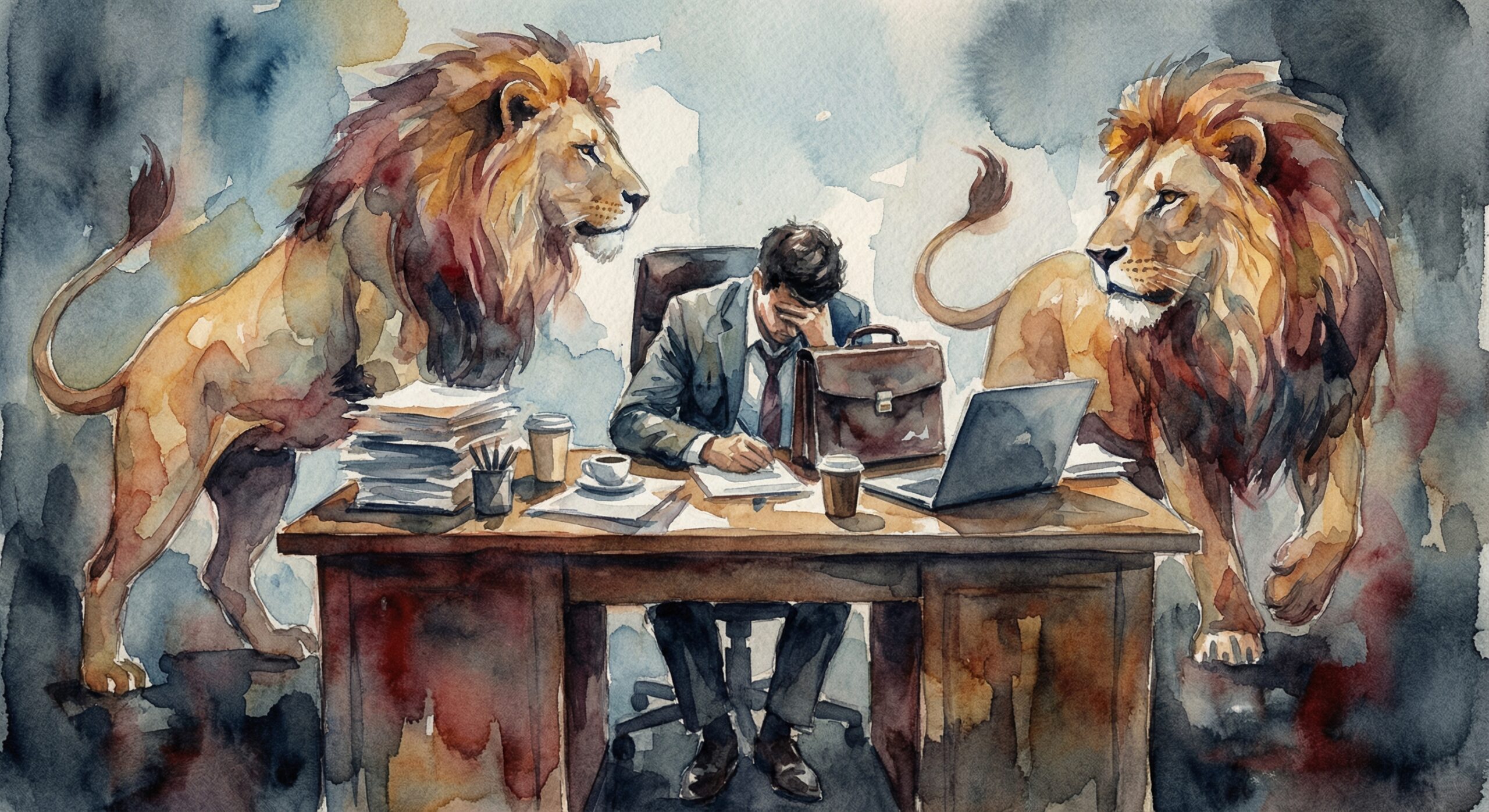
“In our ancestral environments, we were well adapted to deal with acute stress to evade or confront predators,” said Colin Shaw, who leads the Human Evolutionary EcoPhysiology research group. “The lion would come around occasionally, and you had to be ready to defend yourself – or run. The key is that the lion goes away again.”
The researchers note that modern stressors trigger these same biological systems but lack the necessary resolution or recovery periods.
Lion after lion
“Whether it’s a difficult discussion with your boss or traffic noise, your stress response system is still the same as if you were facing lion after lion,” said Daniel Longman, evolutionary anthropologist at Loughborough University. “As a result, you have a very powerful response from your nervous system, but no recovery.”
The study points to declining global fertility rates and rising chronic inflammatory conditions as evidence that industrial environments are taking a biological toll. Declining sperm counts observed since the 1950s are linked to environmental factors like pesticides and microplastics.
Since genetic adaptation takes tens of thousands of years, the authors argue that societies must mitigate these effects by redesigning environments to better suit human physiology.