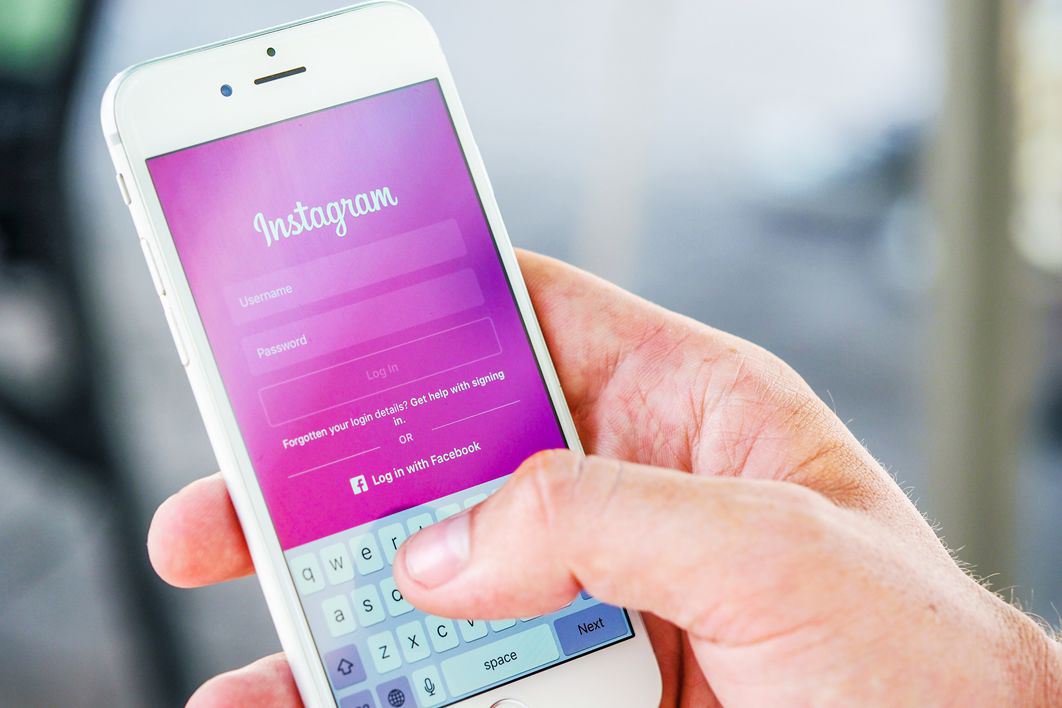

Instagram users are sabotaging their ability to control their scrolling by incorrectly labelling daily habits as addiction, according to new research published in Scientific Reports.
Researchers Ian Anderson and Wendy Wood surveyed 1,204 US adults and found that while 18 per cent believed they were addicted to the platform, only 2 per cent met the clinical criteria for pathology.
The discrepancy suggests that for the vast majority of users, excessive use is driven by habit, defined as automatic associations to scroll and post, rather than genuine addiction.
The researchers identified a lopsided media landscape as a potential driver of this anxiety. An analysis of US news outlets between November 2021 and November 2024 revealed 4,383 articles mentioning “social media addiction”, compared to just 50 mentioning “social media habit”.
Surgeon warning
This narrative appears to have tangible consequences for user agency. In a second experiment, researchers prompted participants to frame their usage as an addiction using language drawn from the US Surgeon General’s 2023 advisory.
Those exposed to the addiction framing reported significantly lower feelings of control over their Instagram use and assigned higher levels of blame to both themselves and the app.
“In conclusion, the addiction label does not empower users to regain control over their use,” the authors wrote.
“Instead, it hinders users by reducing feelings of control, increasing self-blame, and making the experience slightly less positive.”
The study found that addiction narratives spiked following specific events, such as the announcement of lawsuits against Meta.
However, the authors noted that 49 per cent of users correctly identified themselves as habitual users.
The findings suggest that policymakers and media organisations should restrict the use of addiction terminology to clinical cases to avoid stigmatising healthy usage patterns or discouraging effective habit-change strategies.