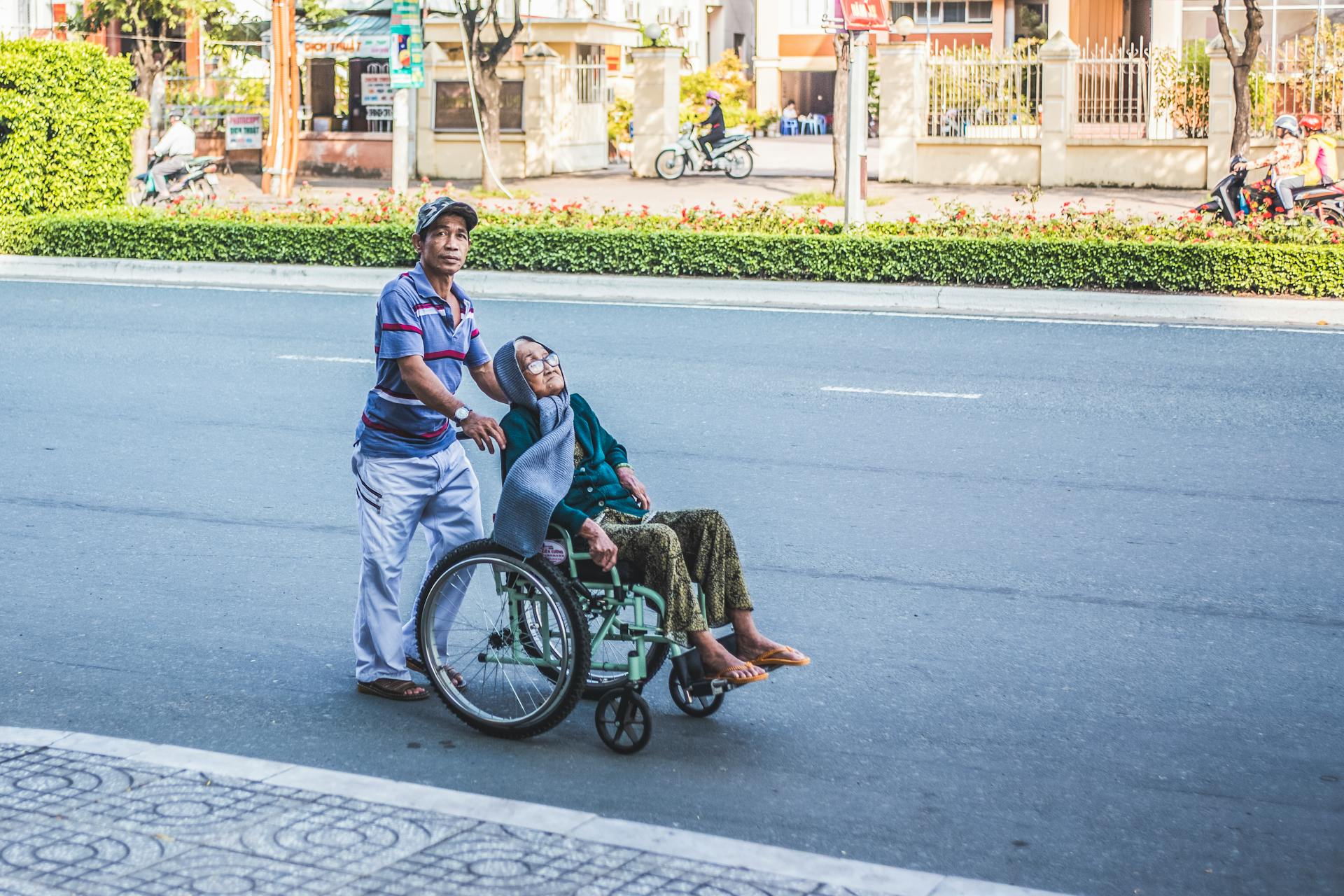

While excessive screen time is often blamed for isolating younger generations, new research suggests the internet serves as a crucial protective buffer for older adults coping with the stress of unpaid caregiving.
Researchers from NYU Rory Meyers College of Nursing found that staying connected online helps caregivers aged 65 and older manage the emotional toll of looking after family members or friends.
The study, published in the journal JMIR Aging, analysed data from the 2019‐2020 California Health Interview Survey, focusing on 3,957 participants aged 65 and older who provided unpaid care. It found that approximately 12 per cent of older caregivers reported physical or mental health problems resulting from their duties, which correlated with increased feelings of loneliness.
“Caregiving can really take a toll on a person’s body and mind, from chronic stress and anxiety to aches and pains from lifting or helping the person they care for,” says Xiang Qi, assistant professor at NYU Meyers. “In fact, a lot of caregivers end up neglecting their own health because they’re so focused on someone else’s needs.”
Buffer against loneliness
The research indicates that frequent internet use acts as a buffer against the extra loneliness that caregivers with health issues would otherwise experience. This is vital for the estimated 59 million people in the US providing care, particularly when their ability to maintain in-person social connections is curbed by their duties.
While the study measured frequency of use rather than specific behaviours, the researchers suggest that the type of online engagement matters.
“I think the type of internet activity could matter — for example, playing games online might help a caregiver relax and pass the time, but joining a virtual support group or video chatting with friends could do more to ease loneliness because you’re actually interacting with people,” says Qi.
“My hunch is that activities which involve social interaction or getting support would provide more benefit against loneliness than just passive activities, but we need studies to confirm that.”
The findings encourage older caregivers to embrace digital tools not just for information, but as essential alternatives to in-person interactions.
“Using the internet to connect with friends, family, or fellow caregivers can really lighten the emotional load of caregiving because it reminds you that you’re not alone,” adds Qi. “Think of it like a bridge that can connect you to people and information, even when you can’t leave home.”