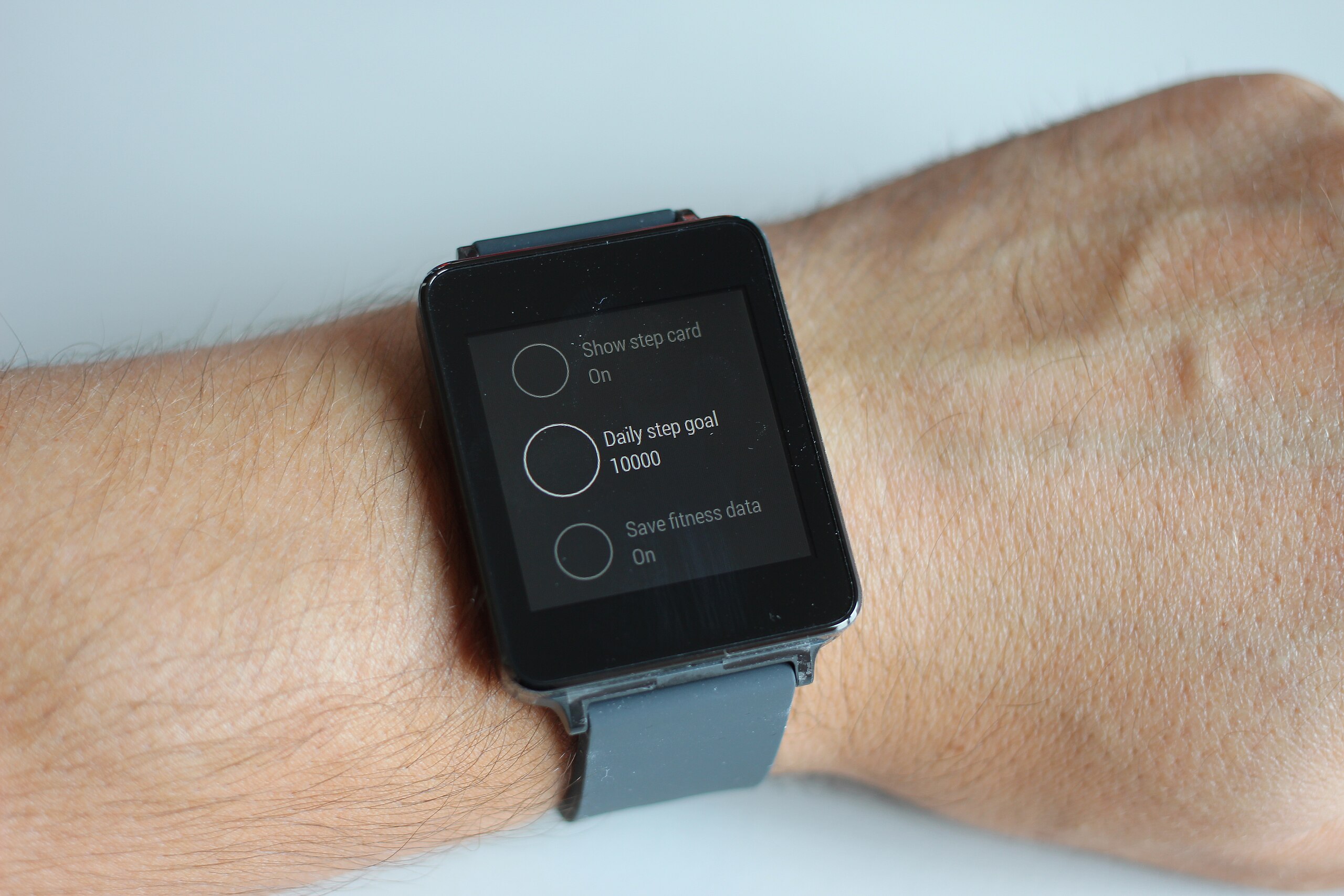

Artificial intelligence can predict a user’s age with up to 96 per cent accuracy using heart activity data from consumer smartwatches, offering a potential privacy-preserving alternative to facial recognition.
A new study by researchers at Concordia University, published in npj Biomedical Innovations, found that analysing a 30-second electrocardiogram (ECG) reading could effectively verify age for online services.
The research team collected data from 220 participants aged between three and 78 years using a Fitbit Sense device.
By testing various machine-learning models, the researchers achieved a mean absolute error of 2.93 years using a feedforward neural network.
Heart signal patterns
The system performed best during adolescence and early adulthood, periods when heart signal patterns undergo noticeable changes, although predictions became less precise in older adults.
For binary classification tasks — determining if a user is above or below a specific age threshold, such as 18 or 21 — the models achieved accuracy rates between 93 per cent and 96 per cent.
Unlike facial recognition, which can be biased by skin tone or lighting and raises privacy concerns, ECG data is difficult to forge and can be processed anonymously on a device.
The authors note that the current study relied on healthy participants and suggest that larger, more diverse datasets will be necessary before the technology is deployed widely.



