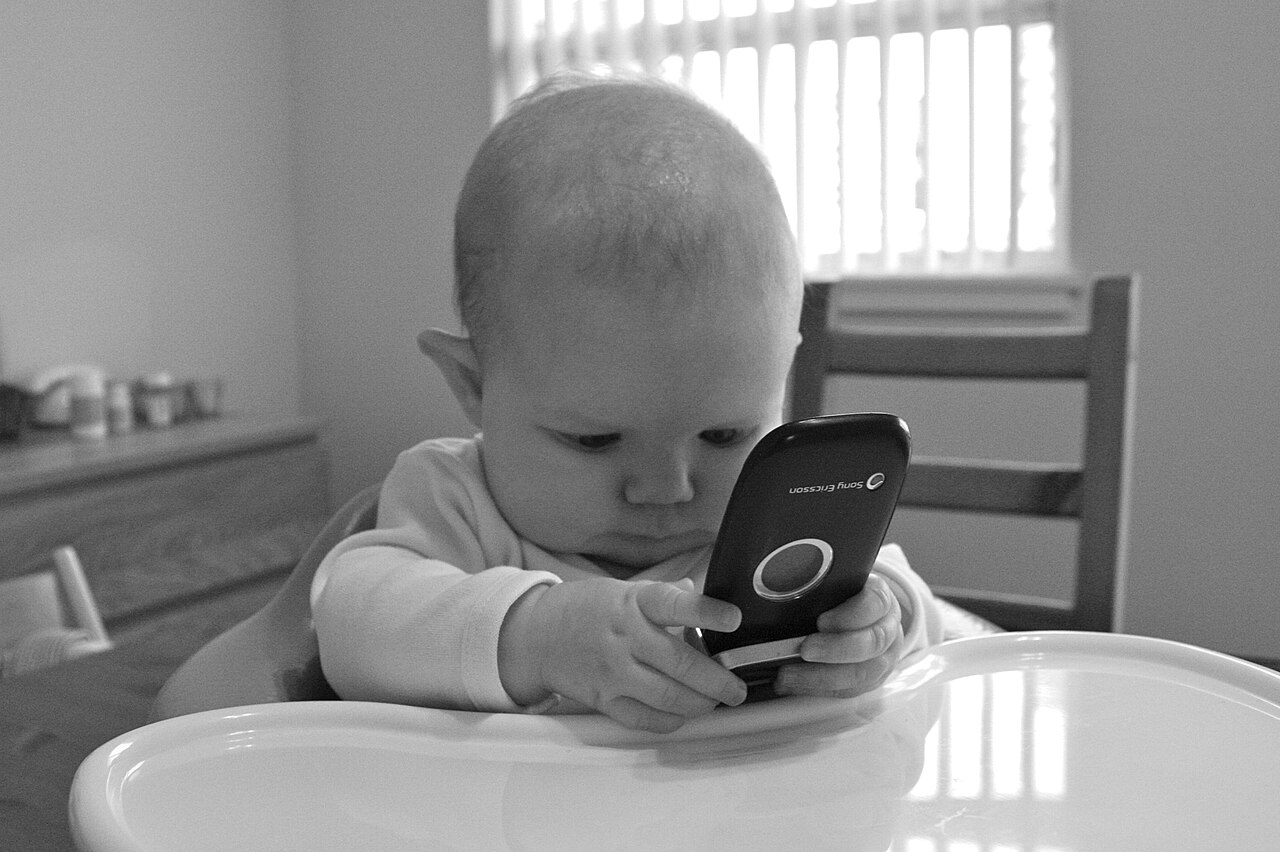

Placing a child in front of a screen before their second birthday can permanently alter their brain development and trigger anxiety disorders in their teenage years, according to a landmark 10-year study from Singapore.
Researchers from the Agency for Science, Technology and Research (A*STAR) and the National University of Singapore (NUS) found that excessive screen time during infancy triggers “accelerated maturation” in the brain — a structural change that appears to endure for more than a decade.
While “accelerated” sounds positive, a study published in eBioMedicine reveals that it is a biological error. The brain specialises too quickly, failing to form the efficient connections required for complex thinking, ultimately resulting in slower cognitive performance and emotional distress.
“This research gives us a biological explanation for why limiting screen time in the first two years is crucial,” said senior author Assistant Professor Tan Ai Peng.
Mapping the brain
The team tracked 168 children from the GUSTO (Growing Up in Singapore Towards healthy Outcomes) birth cohort for over a decade. They used MRI scans at ages 4.5, 6, and 7.5 to map the brain’s physical structure.
They found that infants exposed to high levels of screen time showed premature development in the networks responsible for visual processing and cognitive control.
“Accelerated maturation happens when certain brain networks develop too fast, often in response to adversity or other stimuli,” explained Dr Huang Pei, the study’s lead author.
“In children with high screen exposure, the networks controlling vision and cognition specialised faster, before they had developed the efficient connections needed for complex thinking. This can limit flexibility and resilience.”
The study suggests that the intense sensory bombardment of a screen forces the infant brain to “grow up” too fast, leaving it less adaptable later in life. Notably, screen time introduced later—at ages three or four—did not trigger these specific brain changes, highlighting that the first two years are a critical window of vulnerability.
The researchers were able to trace a direct line of causation from the cradle to the classroom:
- Infancy (<2 years): High screen exposure alters brain structure.
- Childhood (Age 8.5): These children took significantly longer to make decisions during cognitive tasks.
- Adolescence (Age 13): The children with slower decision-making capabilities reported significantly higher symptoms of anxiety.
However, the research team offered a solution for parents. In a related study published earlier this year, the same team found that “shared reading” can act as a buffer against these damages.
Children whose parents read to them frequently at age three showed a significantly weaker link between screen time and brain alterations. The researchers believe the back-and-forth engagement and emotional connection of reading provides the “enriched” experience that passive screen watching lacks.
“It also highlights the importance of parental engagement, showing that parent-child activities, like reading together, can make a real difference,” Tan said.