For decades, the infamous Enron scandal has stood as a masterclass in corporate greed and corruption. Now, scientists have uncovered the exact psychological and linguistic tricks the disgraced energy traders used to manipulate their victims — revealing a dark playbook of trust that is still actively exploited by modern criminals.
According to new research from the University of Birmingham, published by Cambridge University Press, fraudsters rely on a highly specific conversational strategy to artificially manufacture trust and orchestrate massive illegal conspiracies.
Forensic linguists analysed original taped phone calls from the Enron scandal, which currently constitute the world’s largest collection of spoken-language records stemming from illegal activity. The study revealed exactly how Enron traders expertly secured the trust of external organisations to gain control of energy infrastructure, artificially constrain supply, and drive up market prices.
The architecture of deceit
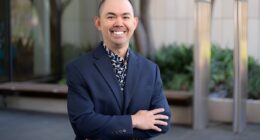
Dr Matteo Fuoli, who led the linguistic analysis, discovered that the fraudsters’ speech was heavily dedicated to “trust management,” falling into five basic categories: bond, build, confide, probe, and repair.
The analysis showed that “bond” moves dominated the clandestine conversations, with traders projecting a highly supportive, friendly persona to foster emotional connections with their targets.
Meanwhile, “build” moves involved using rational arguments and boasting to project extreme competence, and “confide” moves saw the Enron traders sharing privileged, secretive information far more often than the external speakers to create a false sense of inner-circle loyalty.
When challenged, the Enron speakers relied heavily on “repair” moves. However, these were primarily defensive — such as aggressively shifting the blame or offering lengthy justifications — with outright apologies or denials remaining incredibly rare.
Dr Fuoli said: “Access to covert conversations is rare. The size of the corpus meant we were able to produce a comprehensive framework for conversational tactics that can be used to build and manage trust and legitimise wrongdoing.”
Catching modern criminals
Dr Fuoli, who is part of the University of Birmingham’s Lingsight linguistics team, believes this dark playbook could now be used as a vital weapon against modern criminals.
By understanding exactly how fraudsters speak, authorities can better identify the roles and power dynamics within specific criminal networks.
Dr Fuoli said: “The framework has a diagnostic potential and can inform practical interventions in combating fraud such as phishing or romance scams, but also online radicalisation in extremist discussion forums, and ideological harm networks like incel. Similarly, studying the trust dynamics within extremist or ideological harm networks online could deepen our understanding of how and why individuals are drawn to these groups and guide the development of well-informed social policies and educational interventions.”