
Cornell University research has demonstrated that algorithm-generated art installations in virtual stores enhance consumer perceptions more significantly for mass-market retailers than luxury brands.
The study examined art infusion theory, which proposes that displaying art in retail settings positively impacts consumer behaviour, applied to metaverse environments. Researchers found that generative art installations enhanced perceptions of exclusivity and aesthetic pleasure across both market segments.
So-Yeon Yoon, professor of human centred design in the College of Human Ecology and director of the Design-User Experience-Technology Lab, led the research published in the Journal of Retailing and Consumer Services.
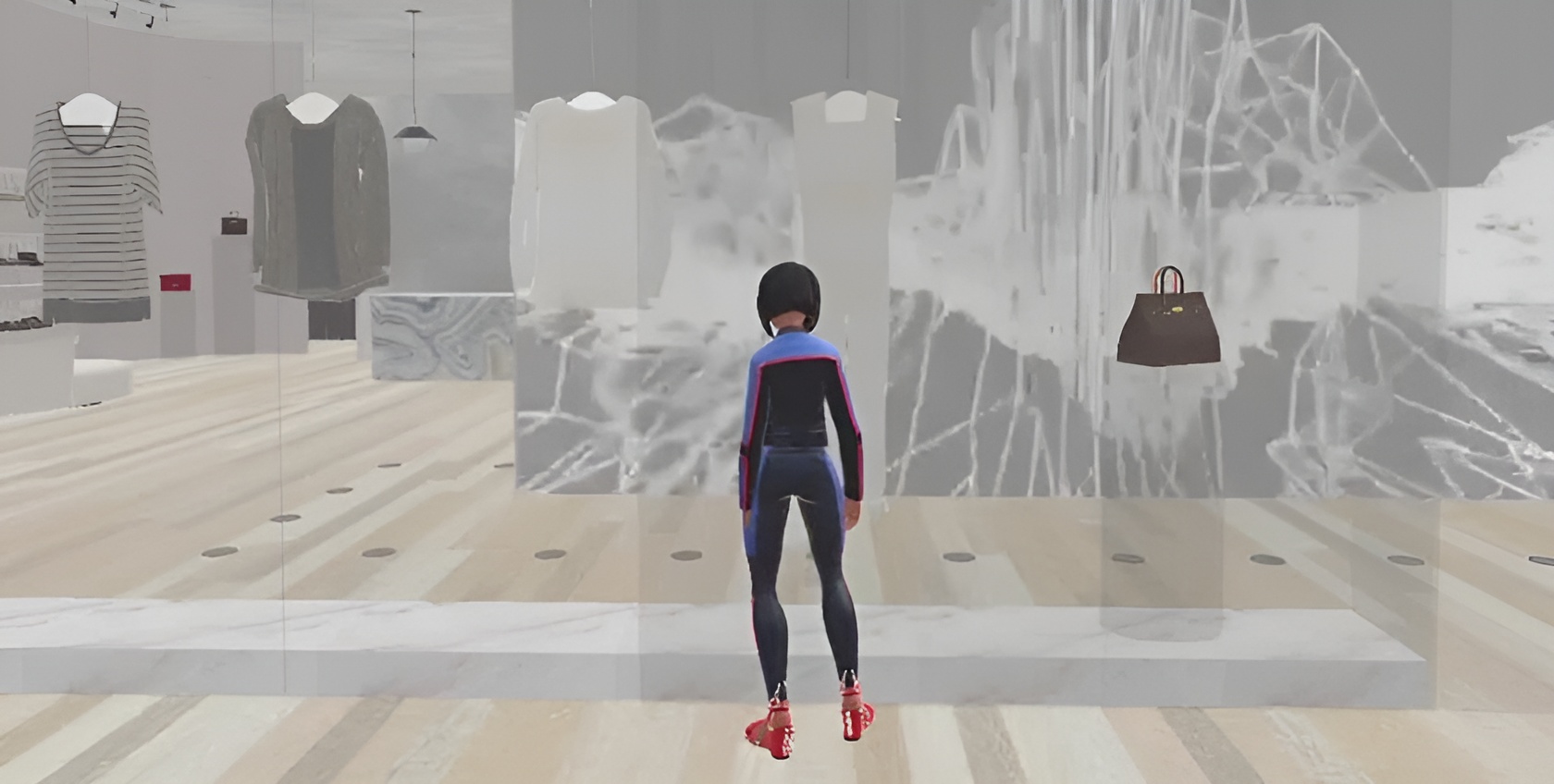
The team conducted two experiments in virtual fashion retailers. The first involved 120 women with an average age of approximately 28, who viewed pairs of identical virtual stores differentiated only by the presence or absence of generative art displays featuring ever-changing black-and-white patterns projected onto walls.
Yoon noted that the art installation had a greater effect on mass brand shoppers compared to luxury brand shoppers, with the intervention working better for participants less familiar with art.
The second experiment involving 90 women compared static and dynamic art forms. Dynamic art generated greater perceptions of exclusivity and aesthetic pleasure, with stronger effects among participants identifying as having low or average artistic openness. Dynamic installations also increased likelihood of electronic word-of-mouth promotion.
“When we think about art, we think it’s more closely aligned with the luxury market. But this AI-powered generative art has this capacity to be more practical, affordable and sustainable compared to the expensive artwork that only a luxury market may afford. I think it’s encouraging to see that the mass brand can benefit, as well,” says Yoon.
The research was supported by the National Research Foundation of Korea and the Cornell Centre for Social Sciences.