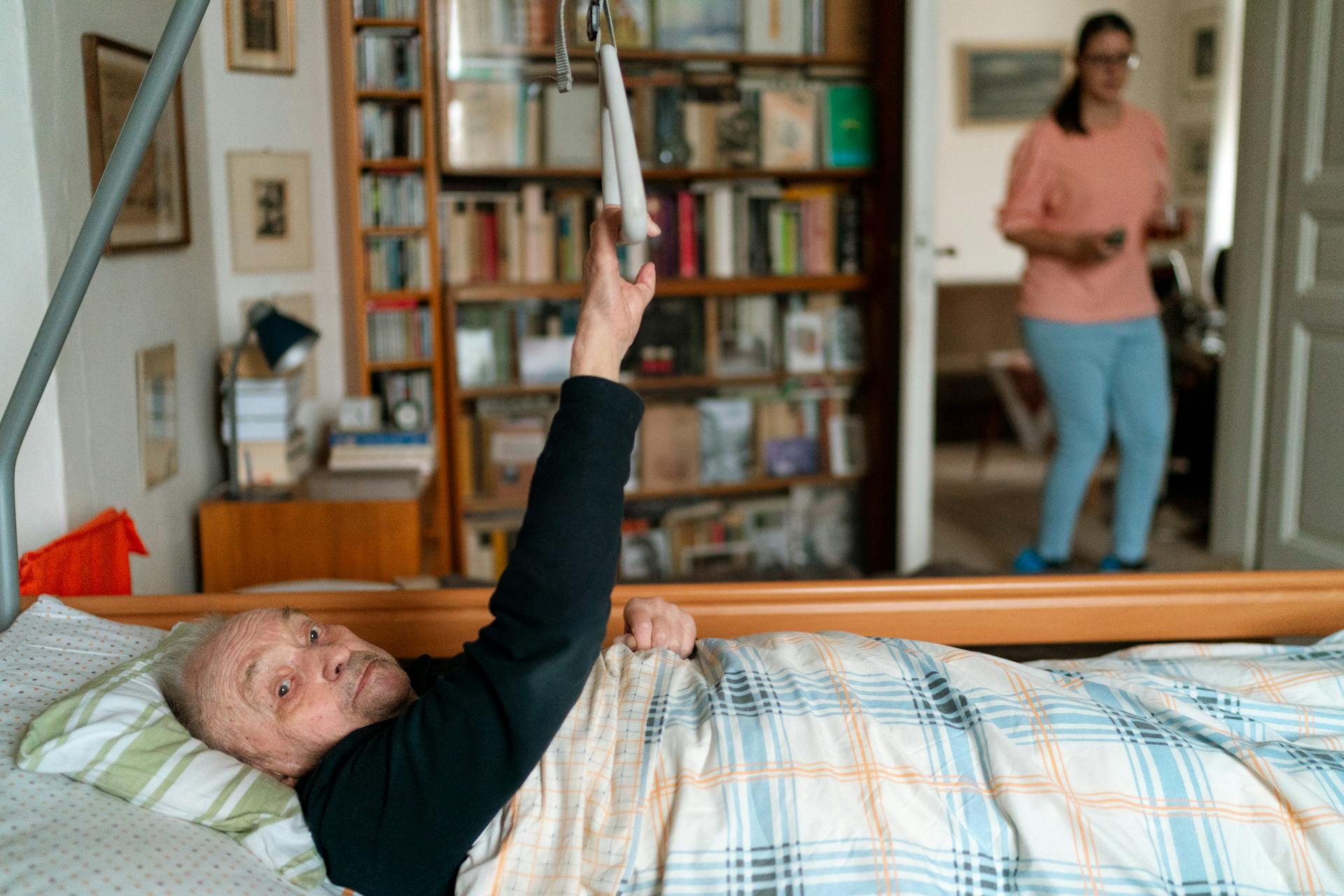

Global health systems are facing a crisis of chronic overcrowding and severe workforce shortages, but a massive shift toward delivering acute-level care directly in patients’ homes could offer a highly scalable solution.
According to a new report published by JMIR Publications, rapid advances in remote monitoring and portable medical technology are actively dismantling traditional hospital walls. By combining 24/7 remote physiological monitoring with daily in-person clinician visits, Hospital-at-Home (HaH) programmes enable patients with acute conditions — such as pneumonia, congestive heart failure, and post-surgical needs — to safely recover in their own homes.
The tech-enabled home ward
The report, authored by JMIR Correspondent Jenna Congdon, highlights how technologies that were considered science fiction just decades ago are now becoming routine tools in HaH models.
The key components driving this revolution include:
- Wearable sensors: Devices that provide real-time tracking of vital signs and heart rhythms, instantly alerting care teams to any sudden physiological changes.
- Portable diagnostics: At-home imaging and laboratory testing equipment that entirely eliminates the need for stressful and costly patient transport.
- Predictive analytics: Artificial intelligence and large language models that constantly monitor patient data streams to accurately predict potential complications before they even occur.
- Automated logistics: Robust telehealth infrastructure and the drone delivery of medical supplies to maintain a hospital-grade supply chain directly to the patient’s door.
Dr Bruce Leff, a pioneer of the HaH concept at Johns Hopkins and leader of the Hospital at Home Users Group, provided expert analysis for the report, noting that these tech-enabled models deliver tremendous clinical benefits for appropriately selected patients.
Evidence suggests that HaH programmes result in lower overall healthcare costs and significantly reduced hospital readmission rates. Crucially, the home-based model also triggers a massive drop in cases of acute delirium — a common, highly dangerous, and deeply distressing complication for elderly patients confined to traditional hospital wards.
“The hospital of the future is ER, OR, and ICUs,” Dr Leff predicted in the report. “Most of the other stuff will move out.”
Navigating the cultural shift
Despite the clear operational and clinical benefits, the report warns that health systems still face significant hurdles before these programmes achieve widespread global adoption.
The primary challenges are centred on complex payer reimbursement models and the massive cultural shift required to convince both patients and clinicians to fully trust home-based acute care. Furthermore, healthcare providers must navigate highly complex staffing logistics and strict data security protocols to keep remote patient data safe.
However, as medical technology continues to advance rapidly, the home-based care ecosystem is quickly becoming an essential response to the compounding challenges posed by an ageing global population and an overburdened healthcare system.