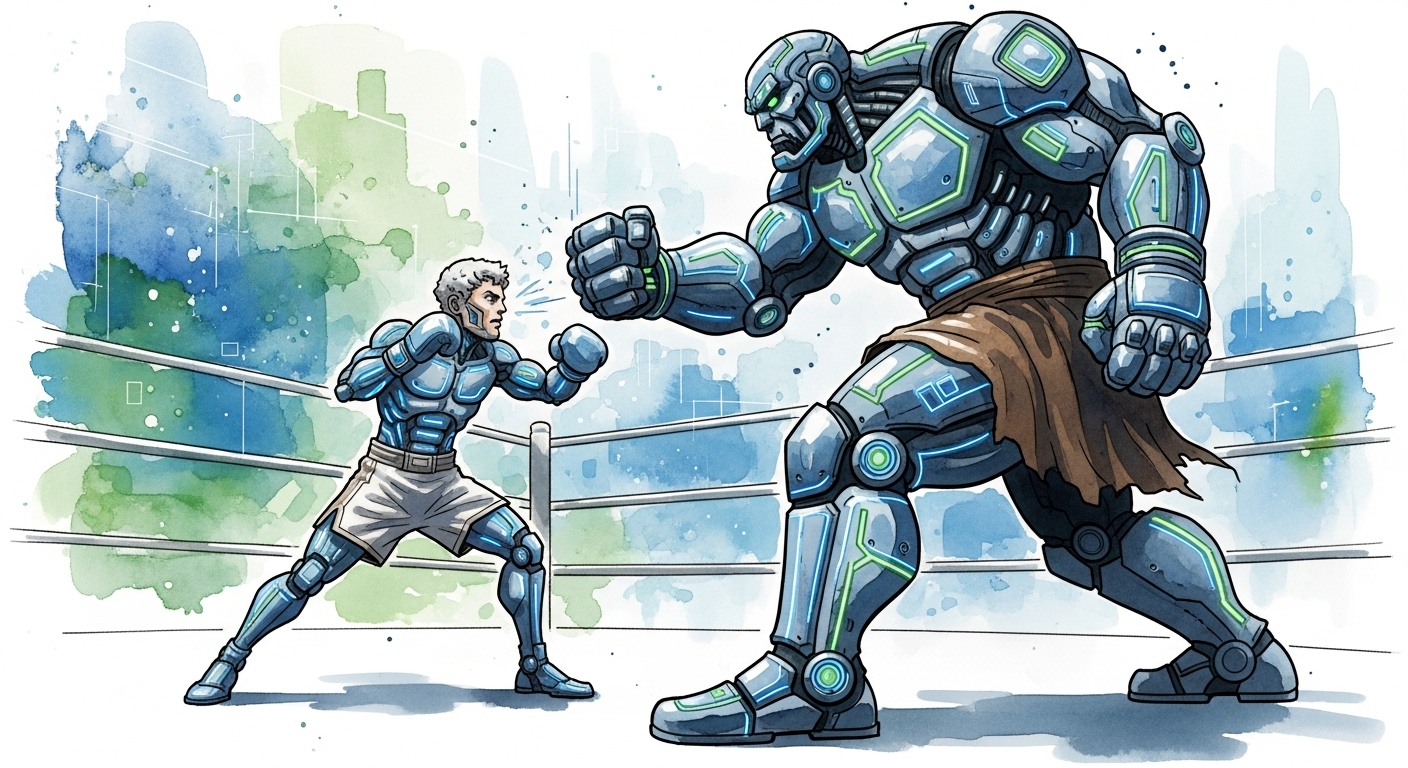

Small and technologically less advanced countries can now wage effective cyberwarfare against major powers, such as the United States, because cyber conflict intensifies most when countries’ technological capabilities become more similar, according to research explaining the rise of cyber conflict between mismatched nations.
Scientists created a two-country model in which nations invest in either offensive or defensive cyber capabilities across networked systems, considering different scenarios where the Attacker is the high-value player and the Defender is the low-value player, and vice versa. The findings were published in Economic Inquiry.
The research showed that when the Attacker can attack a network through multiple channels, this implies a relatively lower Attacker cost compared to the Defender’s cost and will harm the Defender. Network structures that minimise the number of attack vectors available to an Attacker tend to be beneficial for the Defender because they allow defensive resources to be used more efficiently.
“When nations’ technological capabilities converge, conflicts become more intense — which helps explain why smaller countries can now wage effective cyberwarfare against superpowers,” says author Rishi Sharma of Colgate University.
Public vs private cyber defenders
The investigators also assessed the impact of public versus private cyber defenders, considering when centralised policies may either improve or exacerbate cyber conflicts. The work revealed that centralised government control of cybersecurity doesn’t always help and can sometimes provoke more aggressive attacks.
“Perhaps most surprisingly, we found that centralised government control of cybersecurity doesn’t always help; sometimes it can actually provoke more aggressive attacks, suggesting that blanket regulations may do more harm than good,” says Dr Sharma.
The research focuses on factors that determine the severity and outcomes of cyber conflicts between nations. Cyberwarfare between nation-states has become increasingly common in recent years, raising fundamental questions about what determines the severity of conflict and how outcomes are influenced by advancements in offensive or defensive capabilities.