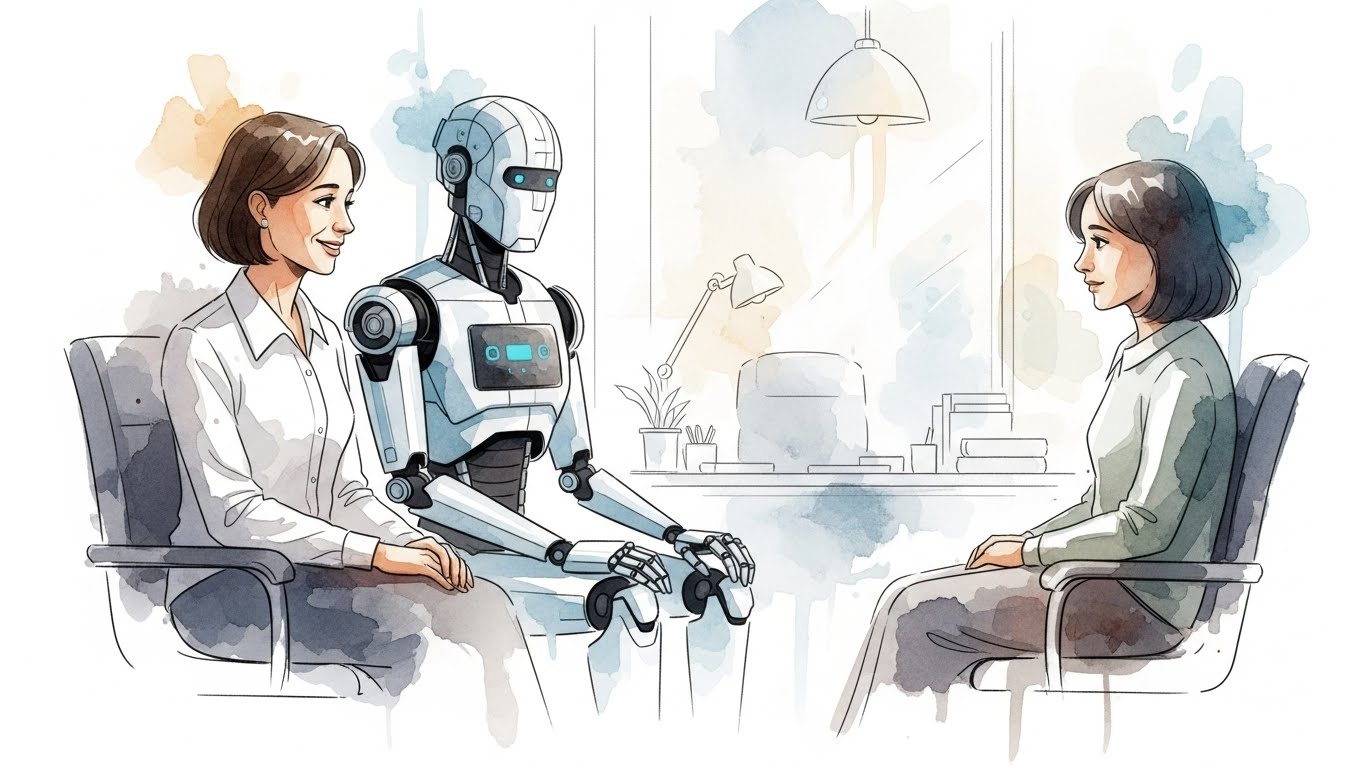
More than half of psychologists have experimented with artificial intelligence tools in the past year, marking a dramatic doubling in adoption rates even as fears regarding patient privacy and social harm intensify.
The American Psychological Association’s 2025 Practitioner Pulse Survey reveals that 56 per cent of psychologists reported using AI tools to assist with their work at least once in the past 12 months, up from 29 per cent in 2024.
However, this rapid uptake has been accompanied by growing anxiety. More than nine in 10 psychologists (92 per cent) cited concerns about the technology, with worries about data breaches rising to 67 per cent and fears of “unanticipated social harms” hitting 64 per cent.
“Artificial intelligence can help ease some of the pressures that psychologists are facing — for instance, by increasing efficiency and improving access to care — but human oversight remains essential,” said APA CEO Arthur C. Evans Jr. “Patients need to know they can trust their provider to identify and mitigate risks or biases that arise from using these technologies in their treatment.”
Trusting algorithms
While adoption is surging, few professionals are trusting algorithms with direct patient care. Only eight per cent of users employed AI for clinical diagnosis, and just five per cent used chatbots for patient interactions.
Instead, the technology is primarily being used to tackle administrative burdens. The most common uses included drafting emails (52 per cent), generating content (33 per cent) and summarising clinical notes (32 per cent).
“Psychologists are drawn to this field because they’re passionate about improving people’s lives, but they can lose hours each day on paperwork and managing the often byzantine requirements of insurance companies,” said Evans. “Leveraging safe and ethical AI tools can increase psychologists’ efficiency, allowing them to reach more people and better serve them.”
The shift towards automation comes as the profession continues to face significant capacity challenges. Nearly half of all psychologists (46 per cent) reported having no openings for new patients, whilst 45 per cent noted that their patients’ symptoms are increasing in severity.
As familiarity with the tools grows, so does awareness of their limitations. Concerns about inaccurate output or “hallucinations” jumped from 44 per cent in 2024 to 60 per cent in 2025, whilst worries about algorithmic bias rose to 63 per cent.



