
Science communication optimized for the attention economy often leads readers to incorrect conclusions by omitting essential context, despite remaining factually accurate. Research from the University of California San Diego, published in the American Economic Review, warns that the drive for engagement creates a trade-off where curiosity-driven content comes at the cost of the critical details required for a full scientific understanding.
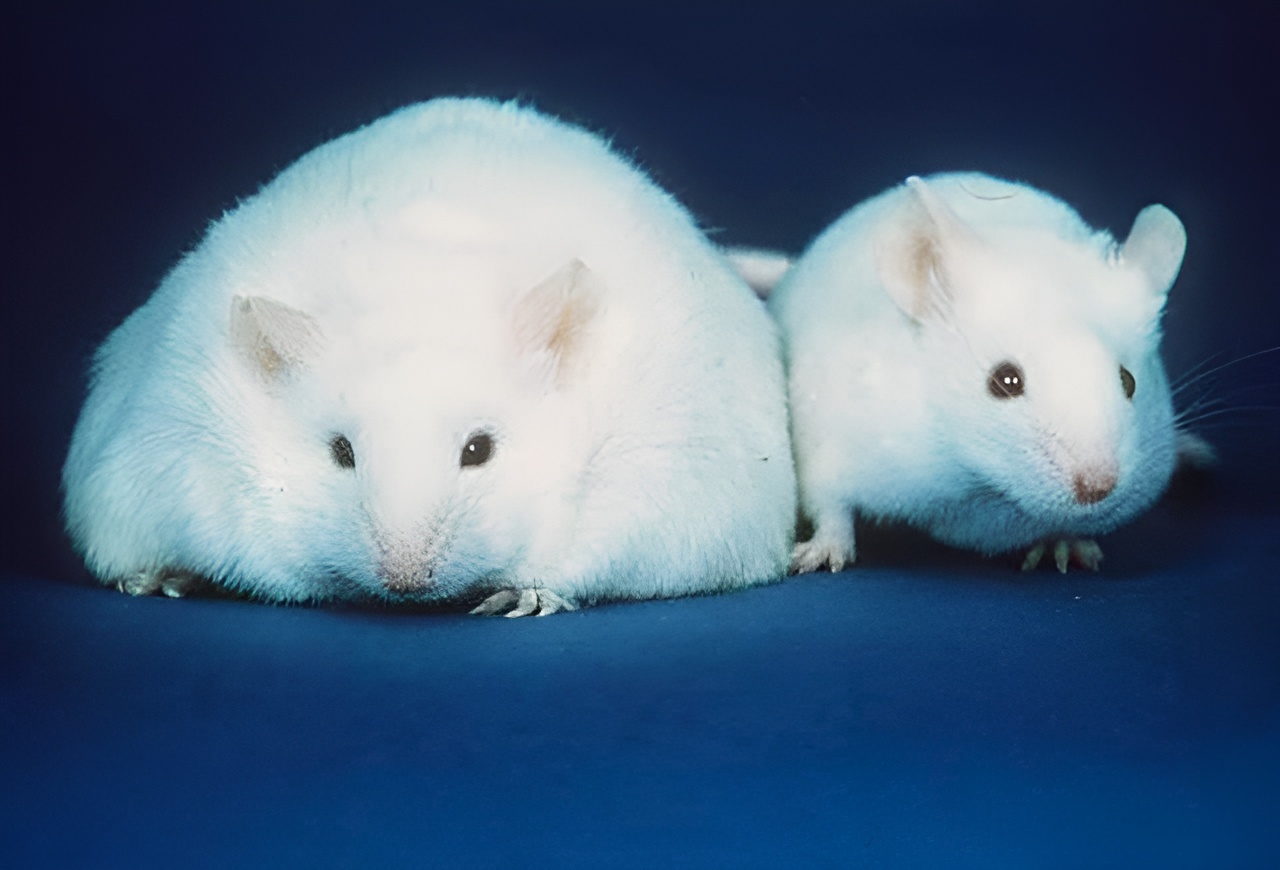
The multi-stage study, involving nearly 600 summaries and 3,700 participants, found that attention-driven content is not necessarily false, but is significantly less detailed regarding study methods and sample sizes. For instance, a summary stating a compound reduces cancer cell growth — while omitting that the study was conducted “in mice” — leads readers to assume direct relevance to human health.
“You need to get people’s attention in order for them to learn something,” said lead author Marta Serra-Garcia, an associate professor at UC San Diego’s Rady School of Management. “Yet there’s a trade-off: Material designed to engage can also unintentionally contribute to the kinds of misunderstandings that can fuel misinformation”.
The “clickbait” knowledge gap
The experiments revealed that readers relying on attention-optimized summaries saw their objective knowledge of the research drop by about 6–7 percentage points. These readers were also more likely to draw incorrect conclusions, such as treating preliminary findings as firm medical guidance.
The study highlighted several drivers within this dynamic:
- Selective Omission: Summaries written specifically to attract clicks or shares were shorter and easier to read but consistently lacked information on how the research was conducted.
- Human Behaviour: When given the option to seek more information, most readers did not, mirroring real-world social media trends where content is frequently shared without being fully read.
- Systemic Bias: Large language models (LLMs) produced similarly incomplete summaries when prompted to attract attention, suggesting the issue is rooted in the objective the content is optimized for rather than the creator’s identity.
Challenges for institutions
The study highlights a fundamental tension for researchers and journalists: the difficulty of making science important to the public without sacrificing the “essentials” that provide the full picture. Serra-Garcia noted that even adding two words like “in mice” can decrease the likelihood of a user clicking on a story, illustrating the engagement pressures that shape science news.
The findings suggest that the lack of detail in modern science communication may be as significant a driver of public misunderstanding as “fake news”. Moving forward, the researchers argue that the challenge lies in balancing curiosity-driven content with the rigorous detail necessary to convey scientific truth accurately.