
theFreesheet reads the tea leaves because today’s anomaly is tomorrow’s trend.
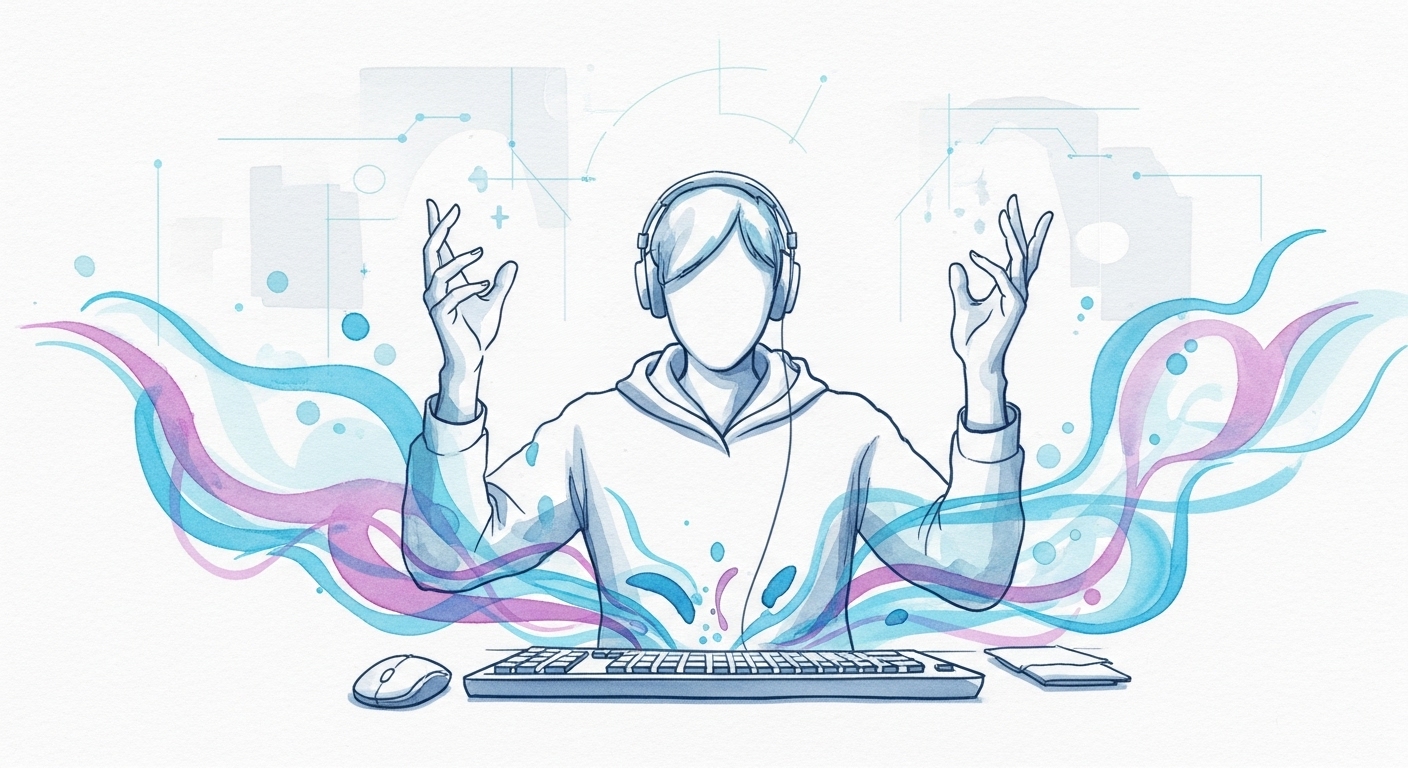
THE SHIFT: The ‘vibecoding’ hype cycle just hit a wall. Andrej Karpathy, the OpenAI co-founder who popularised the term for using conversational AI to generate code, admitted he wrote his latest open-source project “nanochat” entirely by hand. Karpathy stated the 8,000-line “quite clean code” project was “basically entirely hand-written (with tab autocomplete)” because AI agents failed the task, reports Gizmodo. He wrote, “I tried to use claude/codex agents a few times but they just didn’t work well enough at all and net unhelpful”.
THE PATTERN: Karpathy’s admission reveals the growing gap between AI as a hobbyist tool and as a professional engineering partner. While “vibecoding” seemed to make development accessible to those without C++ or Java skills, its limits are now clear. The approach, which Karpathy described initially as best for “throwaway weekend projects” where he would “fully give in to the vibes”, breaks down when applied to complex, from-scratch builds that require clean, functional code.
THE TELLS: The warning signs have been present for months. A Fastly survey found that 95 per cent of developers spend extra time fixing AI-generated code, with some reporting that it takes longer to fix errors than the AI initially saved time. Research firm METR also found that using AI tools actually slows developers down when completing tasks. This aligns with expert sentiment describing AI collaborators not as colleagues, but as “interns” that need managing or “a responsible babysitter for code”.
THE NEXT: The industry will recalibrate from AI-as-creator to AI-as-assistant, reflecting the “ambiguity of a human-computer relationship that is still in flux”. Yale’s Kyle Jensen notes that AI tools “can make mistakes, or veer off in random directions,” meaning humans who actually understand programming are essential to “suss out issues and keeping projects on track”. Expect to see more companies hiring human specialists specifically to fix the coding messes and technical debt created by AI tools.
THE WATCH: Monitor the tension between the “super joyous” experience of rapid AI prototyping and the “sheepish” feeling skilled coders have about outsourcing their craft. The key indicator will be whether AI tools can evolve beyond simple “vibe working” –helping with slide decks and spreadsheets — to handle complex, novel engineering without requiring a human to clean up the mess.



